
Mulberry
Best Mulberry Rootstock for Grafting
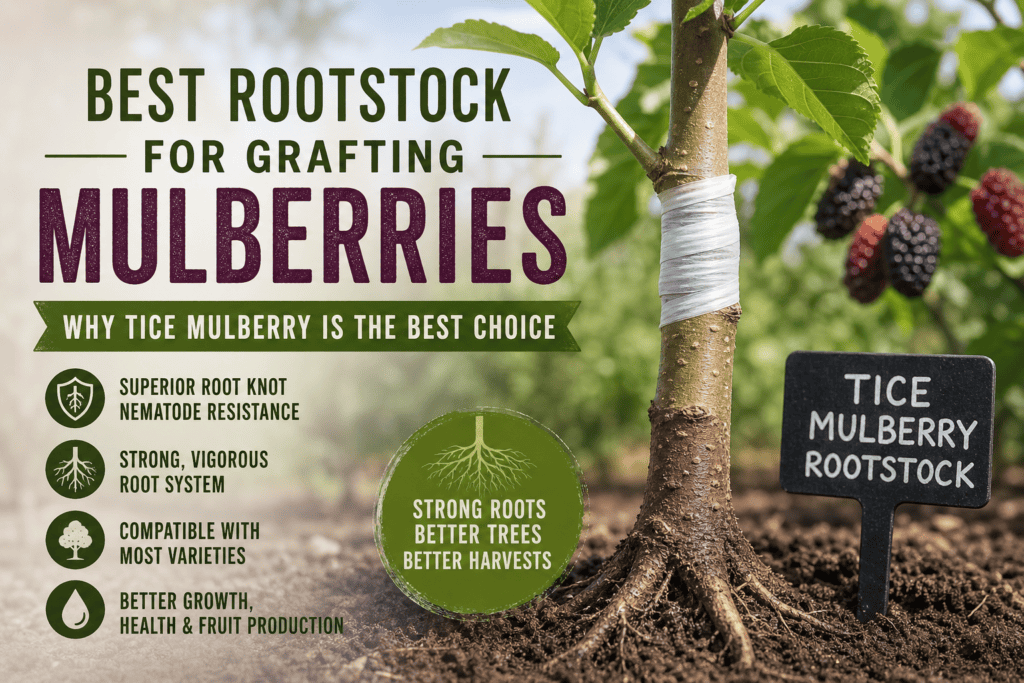
If you’ve spent any time growing mulberries—especially in the South—you’ve probably realized something pretty quickly: not all roots are created equal. You can have an incredible variety up top… amazing flavor, huge berries, all the hype… and then the tree just struggles. Slow growth, weak vigor, random dieback. It’s frustrating.
A lot of that comes down to one thing: mulberry rootstock.
And honestly, it doesn’t get talked about enough.
Why People Even Bother Grafting Mulberries
Let’s start here, because this part gets glossed over.
Most people don’t graft mulberries just for fun. They do it because they want control.
Control over:
- Tree size
- Growth speed
- Disease resistance
- Soil adaptability
- And yeah… survival
If you grow from cuttings, you’re essentially cloning the variety on its own roots. That can work fine. But in tougher conditions—Florida sand, nematodes, inconsistent moisture.
Grafting fixes that.
You take a proven fruiting variety (your scion) and stick it onto a root system that’s built to handle your environment. When it works well, the difference is obvious. Faster establishment. Stronger growth. Less babysitting.
The Real Problem in Florida: Root Knot Nematodes
If you’re in Florida—or anywhere warm with sandy soil—you already know the deal.
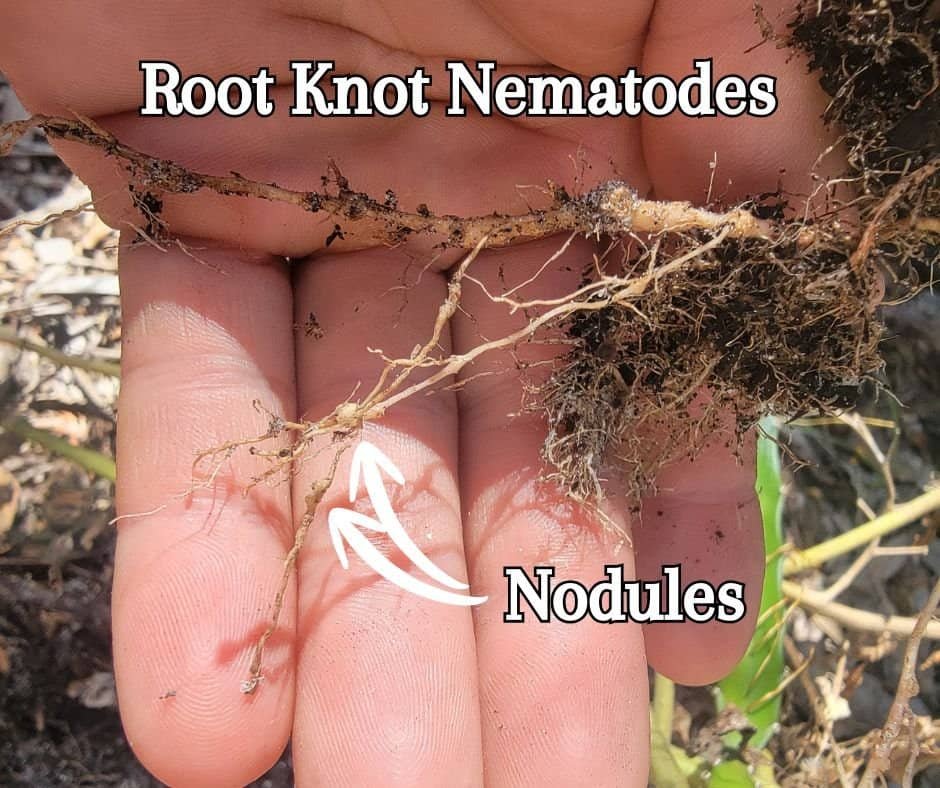
Root knot nematodes aren’t just a minor issue. They can absolutely wreck a mulberry tree over time. Stunted growth, poor yields, decline that doesn’t really make sense until you dig up the roots and see the damage. Nematodes can eventually kill the tree.
This is where choosing the right mulberry rootstock becomes less of an upgrade… and more of a necessity.
Tice Mulberry: The Best Rootstock (In My Opinion—and Experience)
Let’s not dance around it.
Tice mulberry is hands down the best rootstock option I’ve worked with for Southern conditions, especially when nematodes are in play.
And I don’t say that lightly.
What Makes Tice So Good?
It’s not just one thing—it’s a combination that’s hard to beat:
1. Strong Nematode Resistance
This is the big one. Tice holds up noticeably better in nematode-heavy soils compared to many other mulberry types. It’s not completely immune (nothing really is), but the difference in long-term vigor is obvious.
2. Aggressive, Healthy Root System
Tice pushes roots. Deep, wide, and fast. That translates to better nutrient uptake and drought tolerance. In sandy soils, that matters more than people realize.
3. Compatibility with Most Varieties
I’ve grafted a range of mulberries onto Tice—Persian types, Asian varieties, hybrids—and it generally plays nice. You don’t get a lot of weird incompatibility issues.
4. Vigor Without Being Wild
Some rootstocks grow like crazy but become unmanageable. Tice strikes a good balance. Strong growth, but not chaotic.
How Tice Compares to Other Mulberry Rootstock Options
You’ll hear people mention a few alternatives, so let’s talk about them realistically.
6th Street Rootstock
- Some resistance to nematodes, but not reliable as Tice.
Seedling White Mulberry (Morus alba)
This is probably the most common “default” rootstock.
- Easy to grow
- Widely available
- Decent vigor
But… it’s kind of average across the board. In nematode-heavy soil, it doesn’t hold up nearly as well as Tice. It works, sure—but you’ll notice the difference over time.
Pakistan Mulberry Rootstock
Some growers use Pakistan seedlings as rootstock, especially when they already have them on hand.
- Fast growth
- Good initial vigor
The issue? Long-term resilience. In rough soil conditions, especially in the Southeast, it can struggle more than expected.
Black Mulberry (Morus nigra) Rootstock
This one comes up occasionally, but honestly—it’s not ideal.
- Slow-growing
- Difficult to propagate
- Limited compatibility
It’s better kept as a scion, not a rootstock.
What a Good Mulberry Rootstock Actually Does for Your Tree
This is where things get interesting.
A strong rootstock like Tice doesn’t just keep the tree alive—it changes how the tree performs.
You’ll typically see:
- Faster establishment after planting
- More consistent growth year to year
- Better drought tolerance
- Improved nutrient uptake
- Less stress during extreme weather
And here’s the part people don’t always expect: better fruit production over time. Not because the rootstock changes flavor—but because a healthier tree simply produces more reliably and produces better tasting mulberries.
Grafted vs. Own-Root Mulberries: A Quick Reality Check
There’s always debate here.
Some growers swear by own-root trees. And yeah, in ideal conditions, they can do great.
But if you’re dealing with:
- Poor soil
- Nematodes
- High heat
- Inconsistent watering
…a grafted tree on the right mulberry rootstock just makes life easier.
It’s not even close, honestly.
Practical Advice (From Someone Who’s Killed a Few Trees Learning This)
If you’re thinking about grafting—or buying grafted mulberries—here’s what I’d actually recommend:
- Prioritize rootstock over variety hype. A rare variety on weak roots will disappoint you.
- If you’re in the South, go with Tice. It’s the safest bet right now.
- Don’t overthink compatibility. Most mulberries graft pretty easily if your technique is decent.
- Give the rootstock time to establish before pushing growth. That early foundation matters more than people think.
Final Thoughts
If I had to simplify it…
Your scion determines what you grow.
Your rootstock determines how well it grows.
And when it comes to mulberries—especially in challenging conditions—Tice mulberry rootstock is about as reliable as it gets right now.
There are other options. Some work fine. But if your goal is long-term success, fewer headaches, and a tree that actually thrives instead of just surviving… Tice is hard to beat.
Not flashy. Not trendy. Just solid.
